On any ordinary evening, a dog waits by the door. The sound of footsteps is enough to make a tail wag. For millions of families, this is the simplest definition of home.
But across large parts of Indonesia, that familiar sound once vanished overnight.
Dogs didn’t run away.
They didn’t get lost.
They were taken.
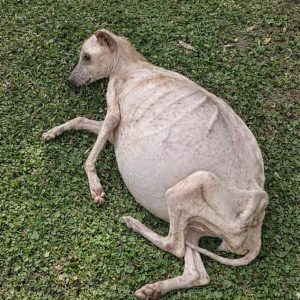
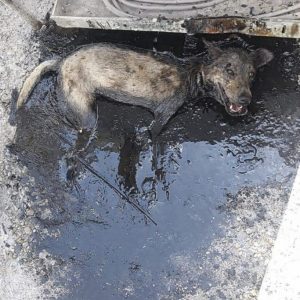
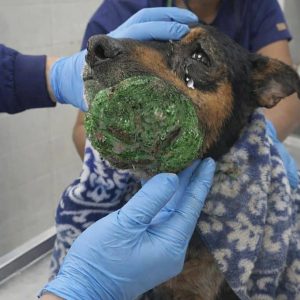
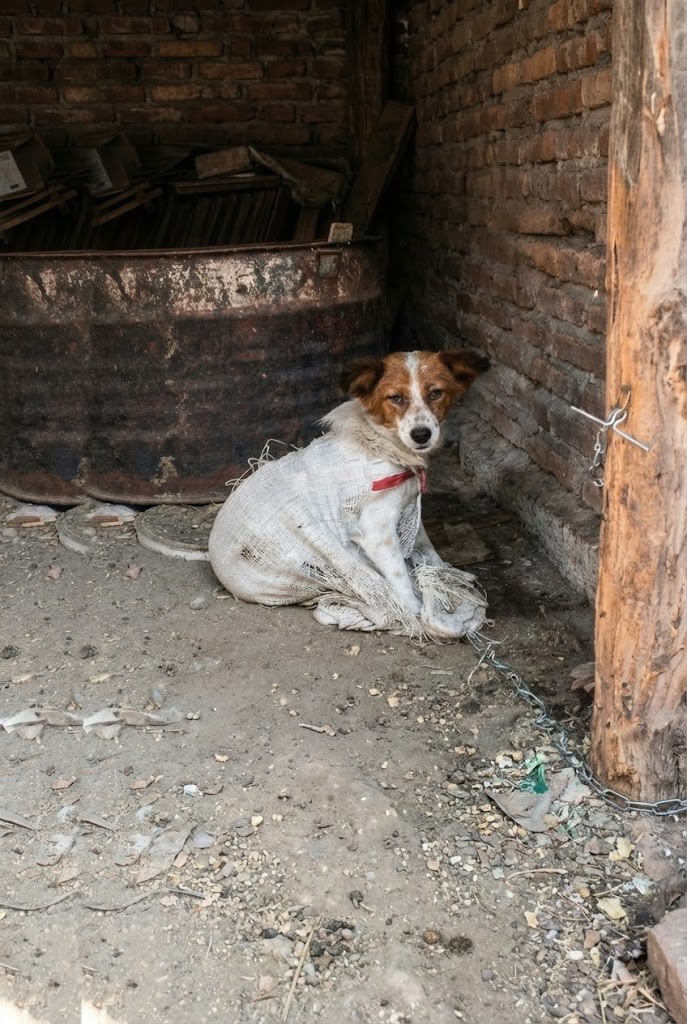
For years, beloved pets disappeared from yards, porches, and village streets—only to reappear miles away inside iron cages, bound mouths pressed against rusted bars, waiting in silence inside traditional markets. The bond between humans and their so-called “best friends” was quietly severed by a trade that thrived on theft, fear, and brutality.
A Trade Built on Fear, Theft, and Silence
The truth behind Indonesia’s dog meat trade did not emerge all at once. It was uncovered piece by piece—through covert investigations, hidden cameras, and testimonies that were difficult to watch, let alone accept.
In 2017, investigations led by the Dog Meat Free Indonesia (DMFI) coalition exposed an industry operating largely out of public sight. Their findings revealed that up to one million dogs each year were being funneled into the trade.
These were not animals bred for consumption.
- Many were stolen pets, taken directly from family homes
- Others were community dogs captured off the streets
- Almost all were transported illegally across provinces
Dogs were crammed into sacks, tied at the muzzle, beaten to keep them silent, and transported for days without food or water. What investigators documented wasn’t just slaughter—it was prolonged terror.
Public figures such as Ricky Gervais and Joanna Lumley amplified these findings internationally, forcing global attention onto a crisis many preferred not to acknowledge.
Not Just Cruelty — A National Health Crisis
Beyond the moral collapse, the trade carried another danger: disease.
The World Health Organization (WHO) repeatedly warned that the illegal transport of dogs posed a severe rabies risk, especially in regions where vaccination coverage was incomplete. As long as dogs were being moved secretly across provincial borders, Indonesia’s goal of becoming rabies-free remained impossible.
This was no longer just an animal welfare issue.
It was a public health emergency.
Fear, violence, and disease moved together—unchecked.
🎥 VIDEO: Surviving Indonesia’s Dog Meat Trade — Inside the Markets Where Hope Was Meant to Die
When a Nation Began to Say “Enough”
Change did not come overnight. But it came.
What followed the investigations was not just outrage—it was awakening.
Local activists, veterinarians, community leaders, and ordinary citizens began speaking out. Cities once known as hubs of the trade started to change course.
- Solo, once considered a center of the dog meat trade, took steps to shut markets down
- Semarang followed, signaling a regional shift
- In early 2023, Jakarta officially implemented a ban on the dog meat trade
These bans were more than policy decisions. They were public acknowledgements that something deeply wrong had been normalized for too long.
For the first time, the narrative began to shift—from quiet acceptance to collective responsibility.

From Survivors to Symbols of Change
The dogs who escaped the cages were never meant to survive.
Many arrived at rescue centers emaciated, terrified, and unable to trust human hands. Some had spent days packed inside sacks, pressed against the bodies of others who didn’t make it.
Yet today, some of these same dogs sleep on couches.
They learn to play again.
They become living proof that survival is possible—and that cruelty is not destiny.

Their stories have done what reports and statistics alone could not:
they humanized the crisis.
Each rescued dog became an ambassador—not just for animal welfare, but for a different future Indonesia is slowly choosing.
A Future Still Being Written
The dog meat trade has not vanished completely. Enforcement remains uneven, and underground activity still exists. But the silence that once protected the industry has been broken.
Indonesia is changing—not because of outside pressure alone, but because compassion has taken root from within.
The empty collars of the past tell a painful story.
But the growing number of safe homes tells a new one.
This is no longer just about dogs.
It is about who we choose to be—and whether we are brave enough to protect those who cannot speak.
And for the first time in many years, hope is no longer the exception.